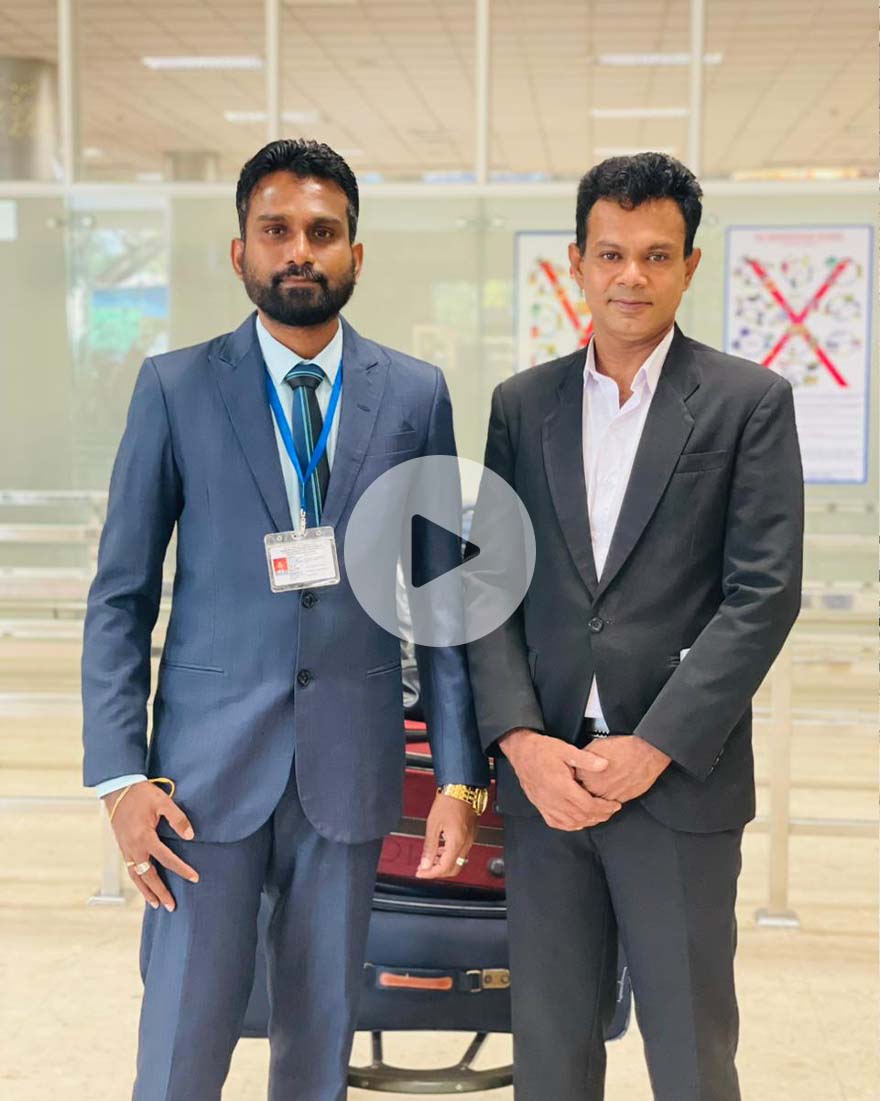
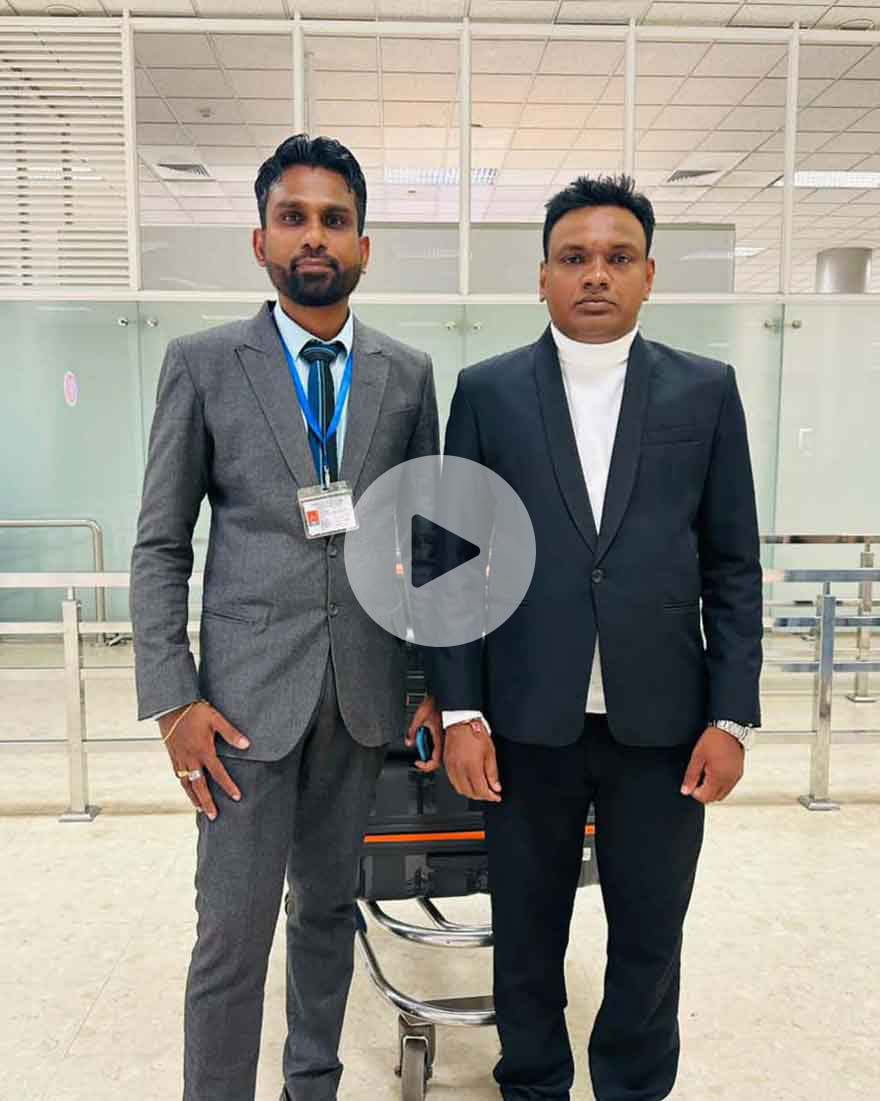
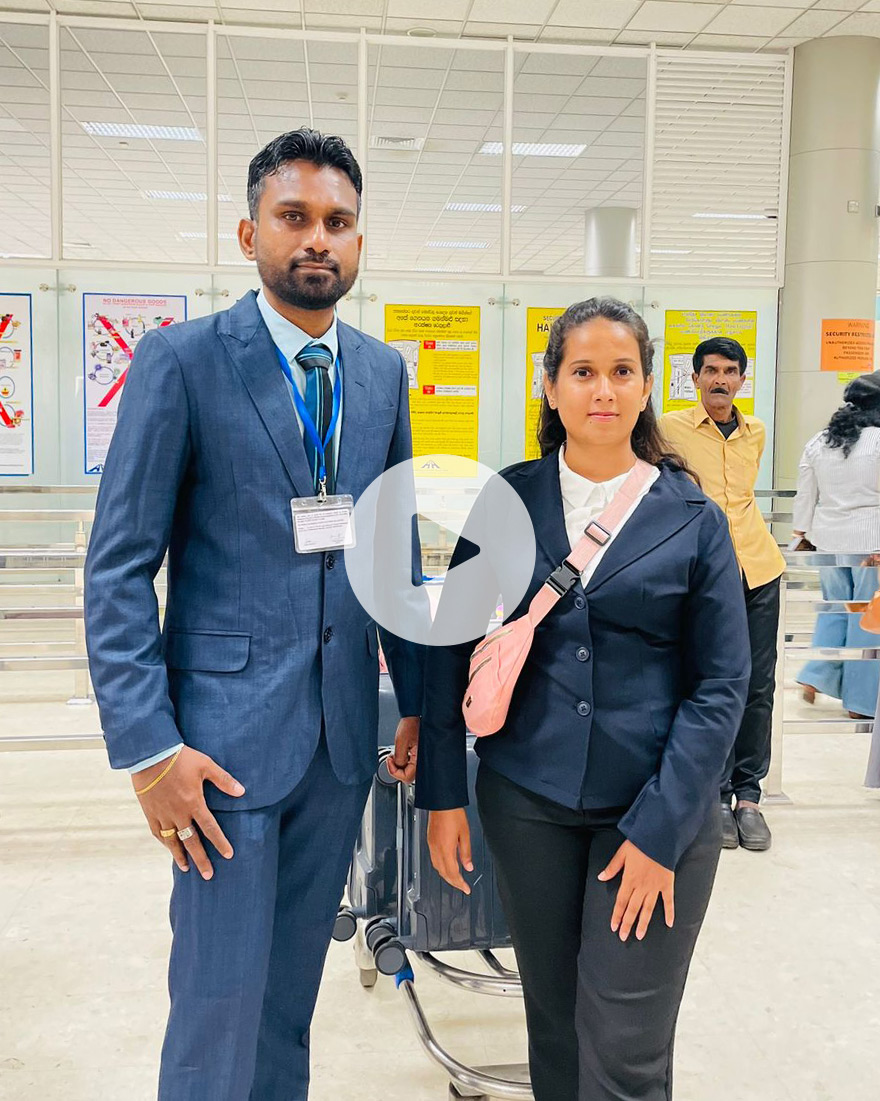
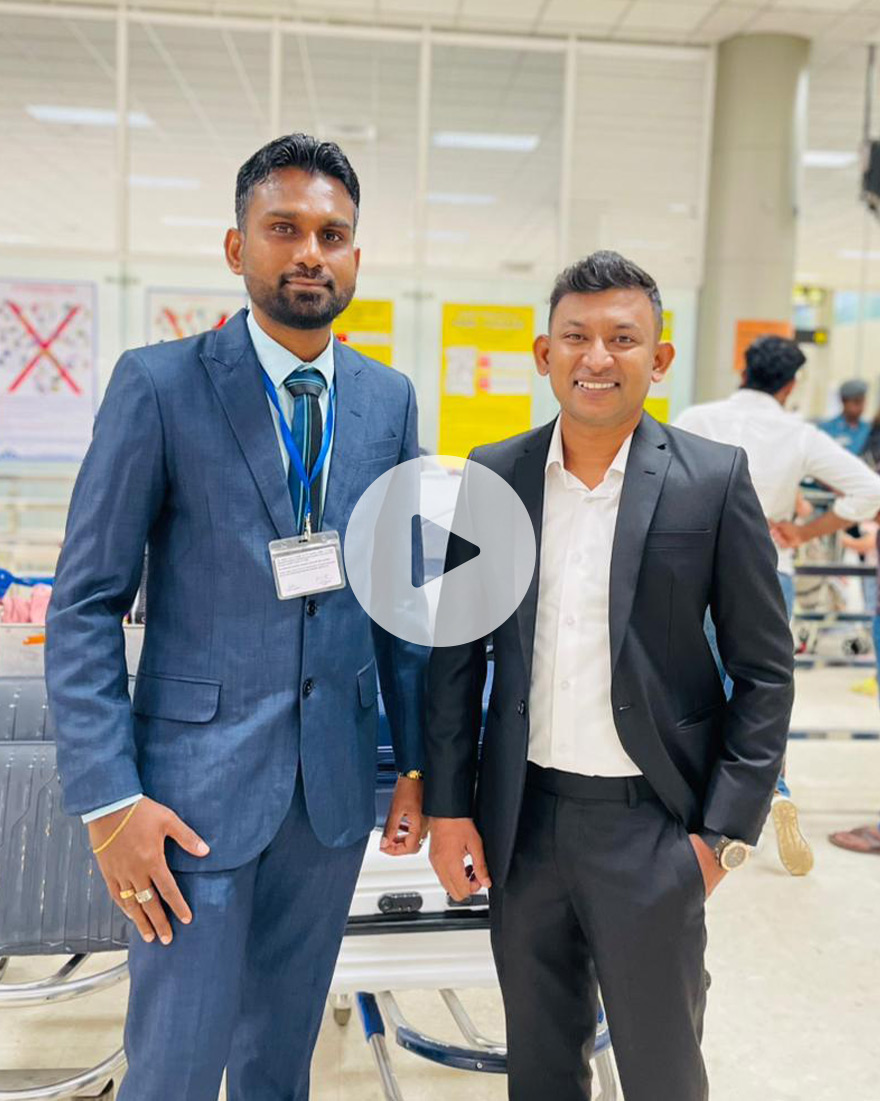

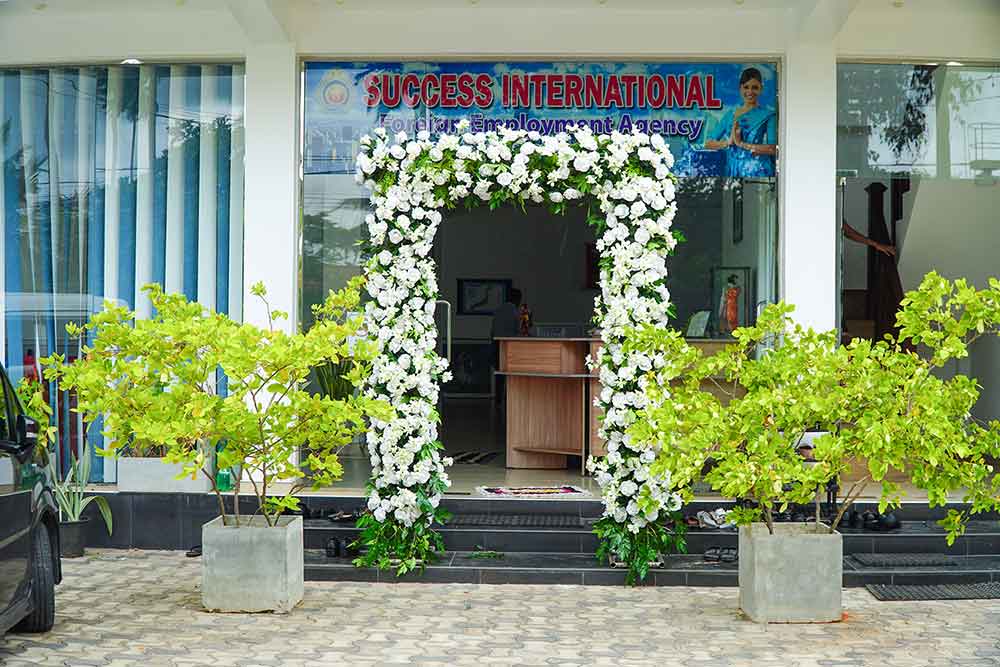

Success International Foreign Employment Agency, a government-registered organization, has been committed to supplying skilled workers to Japan since 2019, ensuring talented individuals find excellent employment opportunities abroad.
connecting talented professionals globally with rewarding job opportunities in Japan
is government-registered under Sri Lanka’s Licensed Foreign Employment Agencies
The Specified Skilled Worker (SSW) Visa is a residency status introduced by the Government of Japan in April 2019 to provide more opportunities for foreign nationals to work in sectors experiencing serious labor shortages. This program was established to support Japan’s aging population and shrinking workforce by welcoming skilled workers from overseas.
To be eligible for the SSW program, you must meet the following fundamental criteria
18 years of age or older
G.C.E. Ordinary Level (O/L) minimum
JLPT N4 or JFT-Basic Pass
Specific SSW Skill Evaluation Test
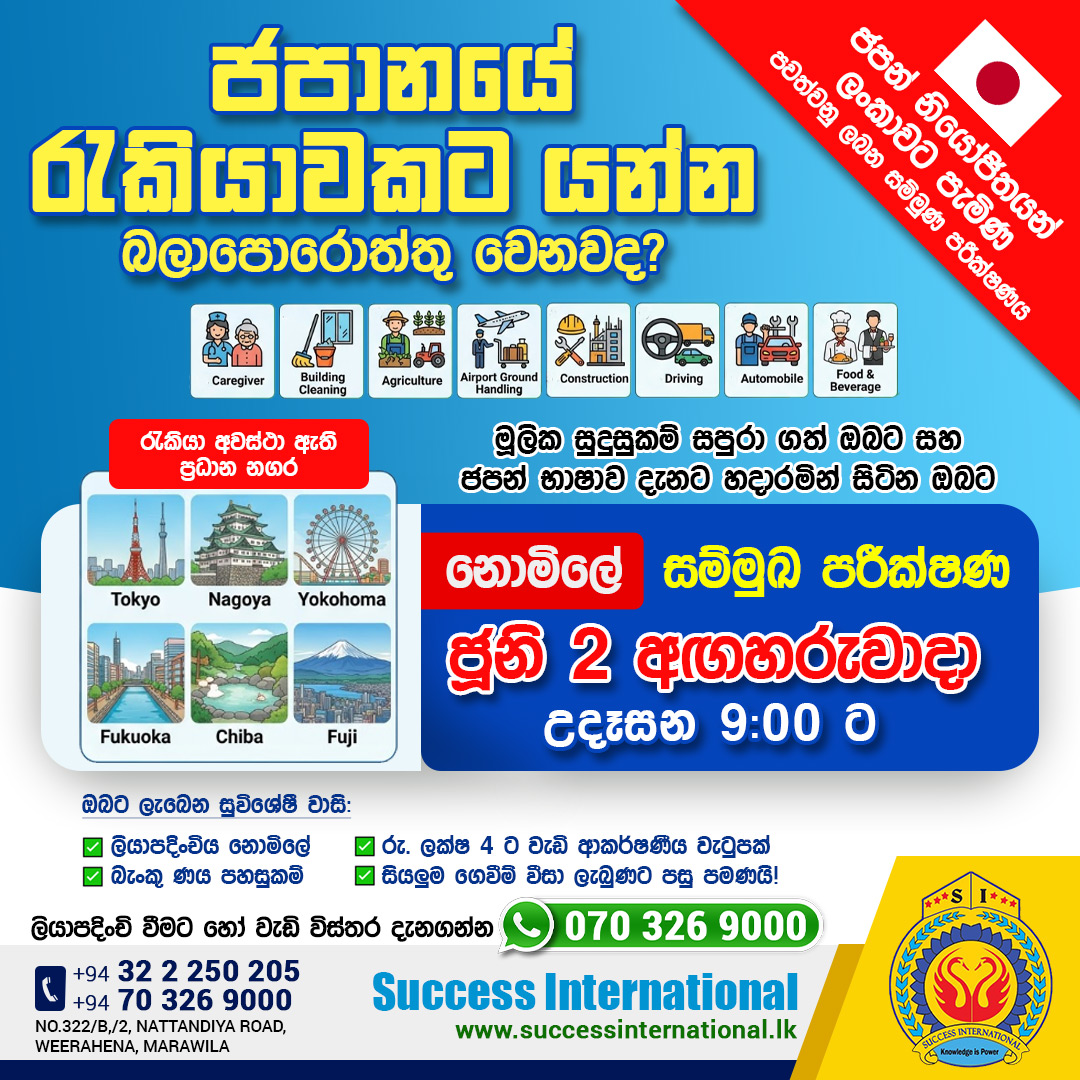
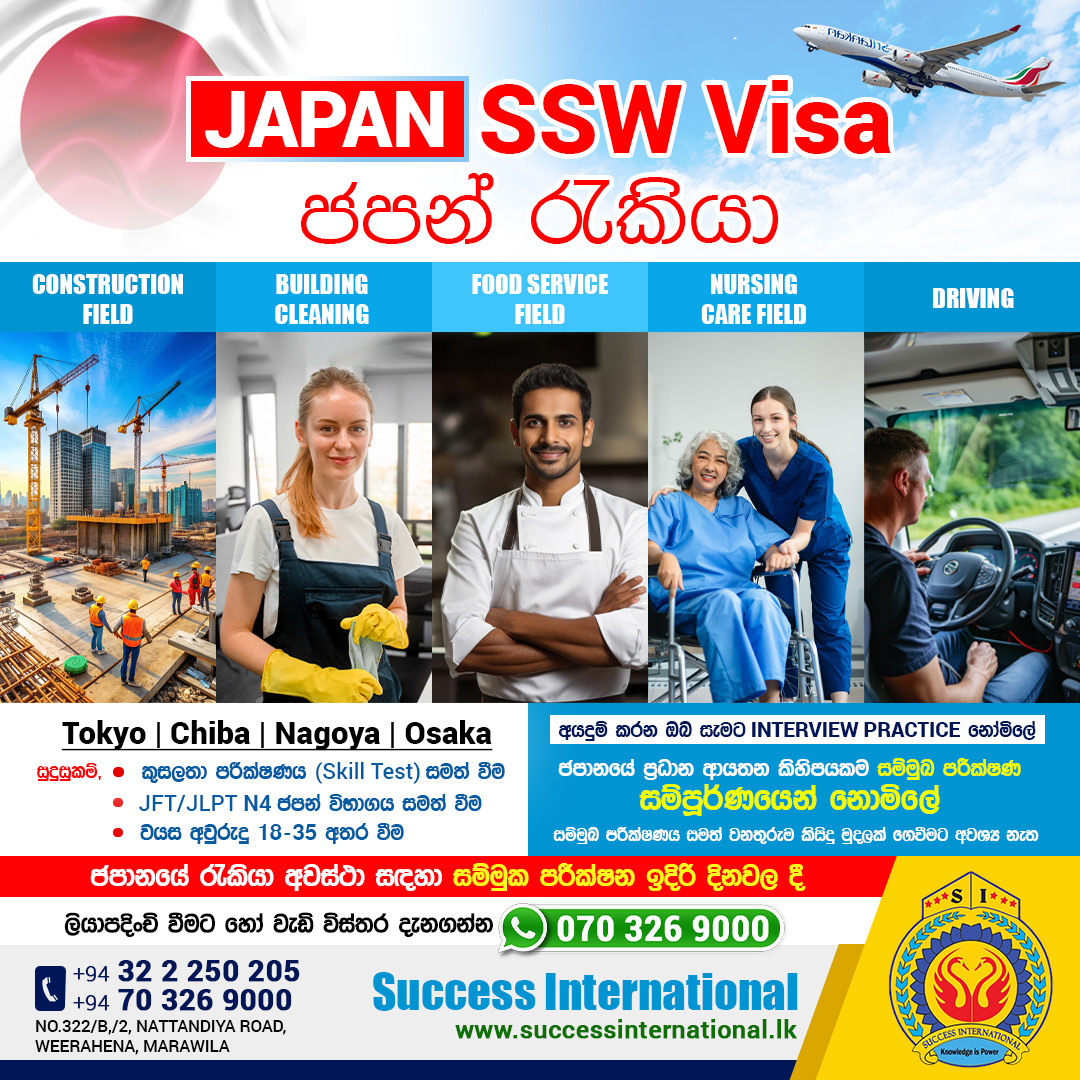
Under the SSW visa program, the Japanese government has approved specific industry fields that are currently accepting foreign workers. Applicants can choose from the following categories

Providing physical care and support in elderly and medical care facilities.

Interior cleaning of commercial and public buildings.

General crop farming and livestock agriculture.

Food preparation, customer service, and restaurant management

Manufacturing and processing of food and beverage products.

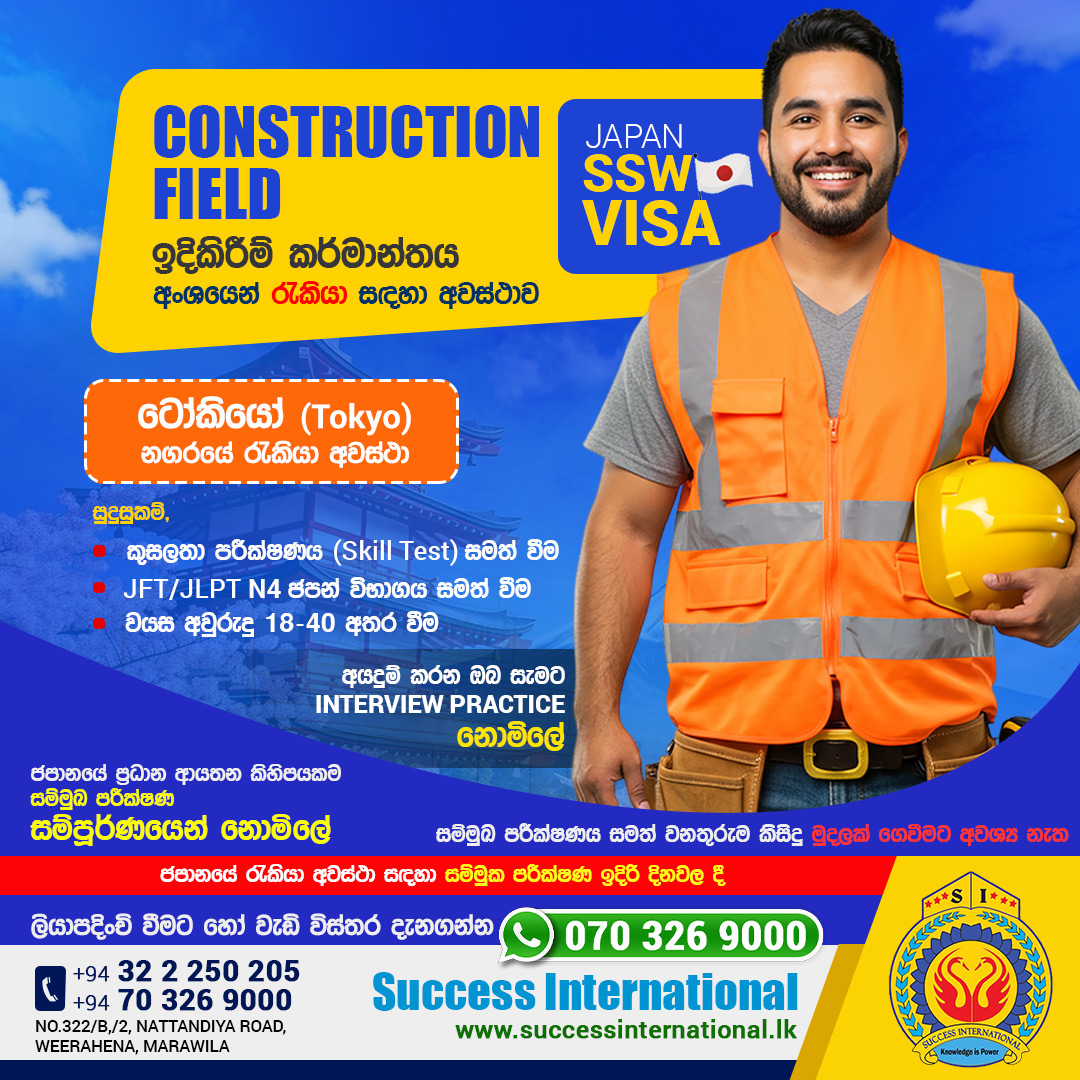
Building construction, civil engineering, and equipment installation.

Providing customer service, reception, and hospitality services in hotels.

Inspecting, maintaining, and repairing automobiles.
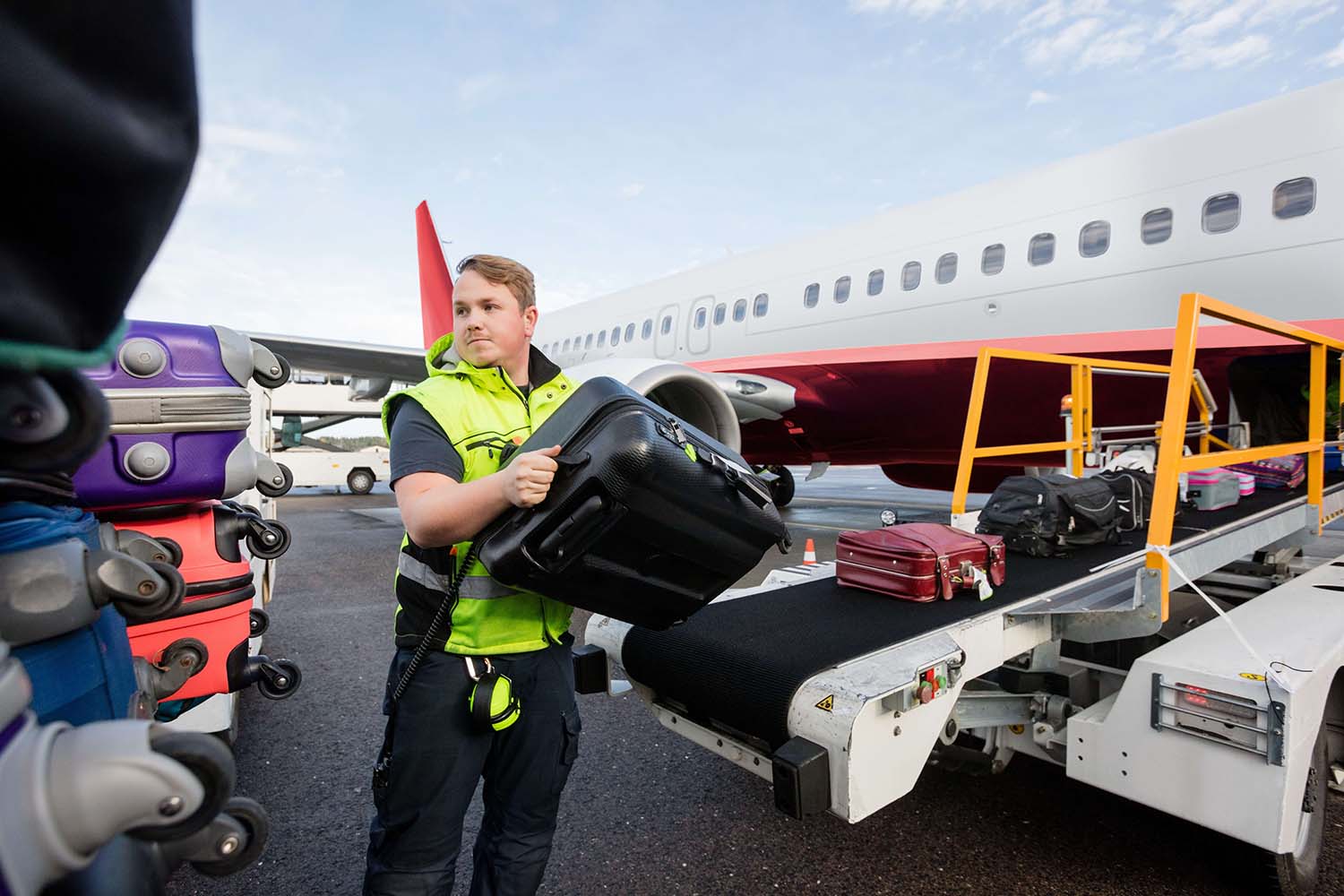
Ground handling, baggage loading, and aircraft maintenance.

Machine parts, tooling, metal processing, and electronic equipment manufacturing

Before departing for Japan, it is a mandatory legal requirement for all Sri Lankan workers to be registered with the Sri Lanka Bureau of Foreign Employment (SLBFE). Our agency (SLBFE Registration No: 3367) strictly follows all government regulations and will fully guide you through this official clearance process
This visa supports international workers participating in Japan’s Technical Intern Training Program.
To qualify for a Technical Intern Training placement through our agency, candidates must meet the following criteria:
18 to 35 Years of age
G.C.E. O/L or A/L Examination
Foundational Japanese (N5 accepted for some)
Physically fit & Clean Criminal Record
The TITP program covers a vast range of industries and specific occupations. Sri Lankan applicants can commonly apply for placements in the following major sectors

Scaffolding, reinforcing bar assembly, plastering, and formwork

Crop farming, greenhouse cultivation, dairy farming, and livestock management.
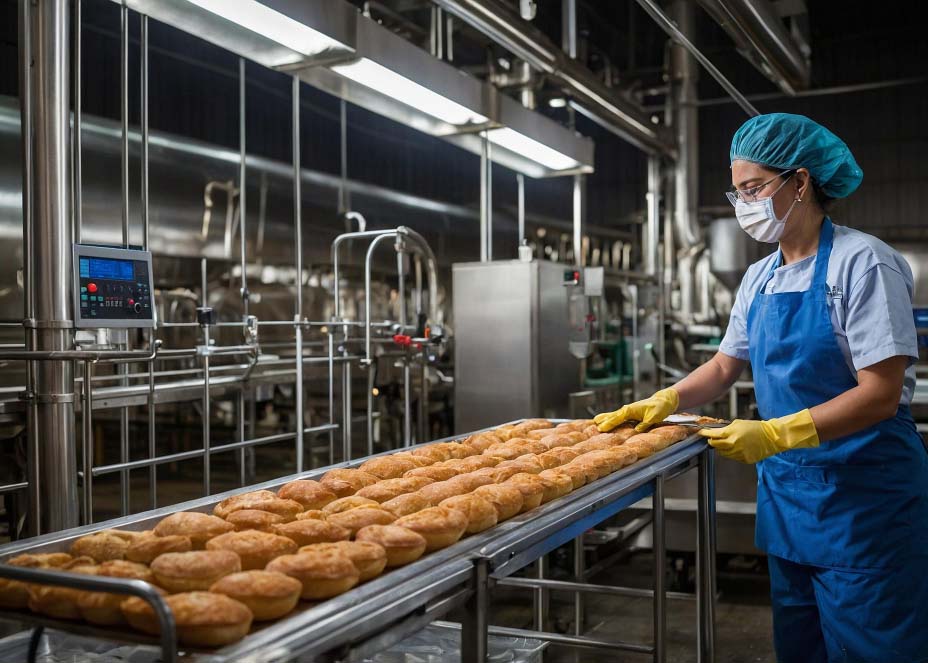
Can manufacturing, poultry processing, seafood processing, and ready-made meal preparation.
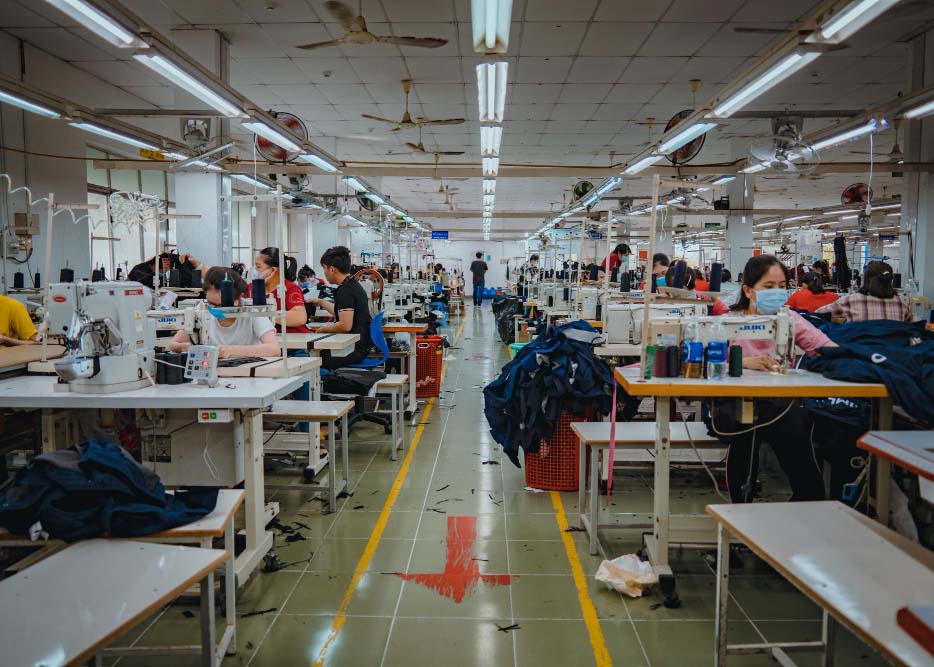
Ladies' and children's dressmaking, tailoring, and industrial sewing.

Casting, forging, machining, welding, and metal pressing

Institutional care and support services for elderly citizens.

Basic vehicle servicing and parts assembly.

(Engineer / Specialist in Humanities / International Services)
Commonly referred to as the Gijinkoku visa, this is the primary residency status for highly skilled foreign professionals, university graduates, and corporate workers seeking long-term employment in Japan.
Unlike programs meant for manual labor or training, this visa is exclusively designed for specialized roles that require a high level of academic knowledge, technical expertise, or native cultural understanding.
(Technical & Science)
IT professionals, software developers, system engineers, mechanical designers, and architecture specialists.
(Business & Admin)
Roles utilizing academic knowledge in humanities, social sciences, or business. This includes marketing, accounting, human resources, corporate sales, and consulting.
(Cultural & Language)
Jobs that require a foreign cultural perspective or language skills. Examples include overseas business development, public relations, language instructors, and roles focusing on the preparation and translation of official documents.
to successfully secure this visa, candidates must meet strict educational and professional criteria:
A Bachelor’s degree—such as a BA(Hons)—from a recognized university, or a diploma from a Japanese vocational school (Senmon-shi).
Advanced language skills, specifically a JLPT N2 or N1 certification, are heavily favored and often strictly required for roles involving administration, customer service, or document translation.
If an applicant lacks a formal degree, they must prove 10 years of relevant professional work experience (or 3 years for specific international service roles like translation).
The applicant's university major or field of study must directly align with the duties of the job they are hired for in Japan.
The Japanese employer must pay the foreign worker a salary equal to or greater than what a Japanese national would earn in the exact same role.
Visa holders are legally eligible to bring their spouse and dependent children to Japan under a Dependent Visa.
The period of stay is typically granted for 1, 3, or 5 years. There is no maximum limit on the number of times this visa can be renewed.
Continuous residency on this visa counts toward the physical presence requirements for obtaining Japanese Permanent Residency (PR).
You are permitted to change employers within Japan, provided your new job still falls under your approved visa category.
Graduated from
Tokyo University of Social Welfare – Japan
東京福祉大学(日本語学校卒業)
Graduated from
Tokyo University of Social Welfare – Japan
東京福祉大学(経営学士)
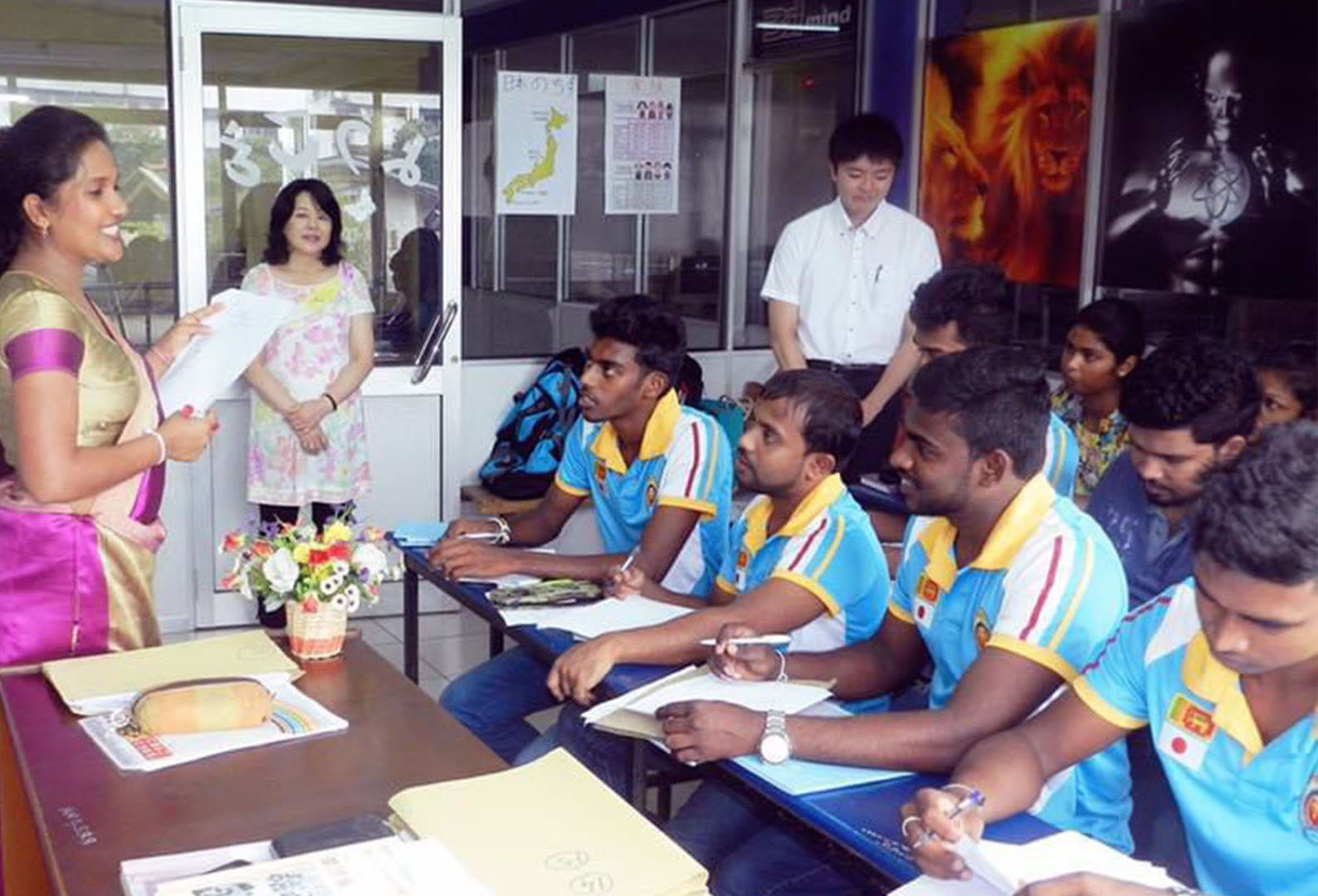
Candidates undergo intensive Japanese language training to ensure effective communication and cultural adaptation.
Applicants attend interviews with Japanese employers to secure positions matching their skills and expertise.
The agency handles all necessary documentation and assists candidates in obtaining work visas for Japan.
Successful candidates embark on their journey to Japan, fully prepared for their new employment abroad.